
Studying in Türkiye 2026: The Official Five-Step Route — and the Step Every Advert Skips
208 universities and 45,000 programs per the Council of Higher Education, TR-YÖS in 78 centres across 52 countries — and the student visa that cannot be issued electronically, whatever an agent tells you.

Türkiye’s Council of Higher Education publishes a five-step route ending in a student visa. The country has 208 universities and nearly 45,000 programs, and the TR-YÖS exam is held in 78 centres across 52 countries. The e-Visa does not cover study — that visa comes from a consulate.
| Item | What the official source states |
|---|---|
| Universities | 208 universities · nearly 45,000 programs (studyinturkiye.gov.tr — YÖK) |
| The official route | Five steps: program and university → scholarships and financing → documents → examinations → student visa |
| Exam for international candidates | TR-YÖS — the TR-YÖS/1 session held in 78 centres across 52 countries |
| Government scholarship benefits | Monthly stipend · tuition · health insurance · accommodation · Turkish language course · once-off flight ticket |
| Study visa | Issued by embassies and consulates — the e-Visa covers tourism and commerce only (MFA) |
| After arrival | Registration with the competent authority is required of anyone residing, working or studying, whatever the visa validity |
Search results for studying in Türkiye are crowded with education consultancies, each quoting a different fee and promising admission. What most of them omit is not a marketing detail — it is the fifth legal step published by Türkiye's own Council of Higher Education, the step that decides whether you enter the country as a student or as a visitor.
The official numbers first
The Study in Türkiye portal (studyinturkiye.gov.tr) is managed by the Council of Higher Education (YÖK) and publishes:
- 208 universities in Türkiye.
- Nearly 45,000 degree programs to choose from.
- An official search tool, Study Finder, to filter programs against your criteria.
That is the base the decision should rest on: not a "top ten universities" list chosen by an agency, but an official catalogue filtered by your program, your language and your budget.
The five steps, as the Council of Higher Education publishes them
The official portal titles the route literally: "5 steps to applying to a Turkish university".
- Choose a program and university — through Study Finder; study is available in Turkish, English or other languages.
- Learn about scholarships and financing.
- Prepare your application documents.
- Check examination requirements.
- Apply for a student visa.
Note step five. It is not an administrative afterthought — it is a declared part of the official route, and it is precisely what the advert promising "free admission in days" leaves out.
TR-YÖS: the exam for international candidates
Step four leads to TR-YÖS, the examination for international candidates published on the same portal. The portal states that the TR-YÖS/1 session was held in 78 centres across 52 countries — meaning it is usually taken from the candidate's own country rather than inside Türkiye.
Important: each university sets its own criteria for accepting a TR-YÖS result or its alternatives. Do not assume a single standard; step four exists in the official route precisely because requirements differ by institution.
Financing: what the government scholarship officially covers
Türkiye Scholarships (turkiyeburslari.gov.tr) is a government programme, and its published benefits are specific:
- Monthly stipend
- Tuition fee
- Health insurance
- Accommodation
- Turkish language course
- Once-off flight ticket
We will not publish the stipend amount here: the figures are updated on the official application portal at tbbs.turkiyeburslari.gov.tr, and any number copied into an article becomes silently wrong after one cycle. Read it at the source before applying. The funding side is covered in depth in our guide to scholarships and costs for international students.
⚠️ The step every advert skips: a student visa is not an e-Visa
This is the most consequential point in the whole file. The Turkish Ministry of Foreign Affairs states plainly that the e-Visa is valid only where the purpose of travel is tourism or commerce, and that visas for other purposes — naming work and study — are issued by Turkish embassies and consulates.
So: entering Türkiye on a tourist e-Visa intending to study places you outside the purpose of your visa. The correct route is to obtain the student visa from the competent Turkish mission after university admission and before travelling. The visa regime for every nationality is in our Turkey visa guide.
After arrival: the student residence permit
A student visa gets you in; the residence permit is what keeps you there. The Ministry states that anyone who will reside, work or study in Türkiye must register with the competent local authority after arrival, regardless of how long their visa is valid.
The student residence permit is a distinct category, and the procedure is online. Start with types of residence permits in Türkiye, then the e-ikamet application steps. Health insurance is a condition attached to the residence permit rather than to the university — see compulsory insurance for residence.
What are the drawbacks? — an answer without a sales pitch
This question sits high in Google's "people also ask", and most of the answers are written by people selling admissions. The honest version names what is structural:
- The language barrier is real even on English-taught programmes — daily life and official procedures run in Turkish, which is why the government scholarship includes a language course among its benefits.
- Recognition of the degree at home is not automatic — check with your own country's accreditation body before enrolling, not after graduating.
- Fees differ sharply between state and private universities, and no single figure is usable for planning.
- Legal obligations continue: residence and insurance have renewal deadlines, and missing them is an administrative problem, not an academic one.
Telling the official source from an agent
Three government portals should carry your decisions; everything else is an intermediary:
- studyinturkiye.gov.tr — run by the Council of Higher Education: universities, programs, the five steps, TR-YÖS.
- turkiyeburslari.gov.tr — the government scholarship, its benefits and the application portal.
- mfa.gov.tr — the visa regime and student visa conditions.
Using an agent is a legitimate choice — just make them execute a route you already understand from these sources, rather than being your source for it.
Sources
- Study in Türkiye portal, studyinturkiye.gov.tr — managed by the Council of Higher Education (YÖK): 208 universities · nearly 45,000 programs · the five steps verbatim · Study Finder · TR-YÖS in 78 centres across 52 countries. Read live 22/08/2026.
- Türkiye Scholarships — turkiyeburslari.gov.tr: scholarship benefits (monthly stipend · tuition fee · health insurance · accommodation · Turkish language course · once-off flight ticket) and the tbbs application portal. Read live 22/08/2026.
- Turkish Ministry of Foreign Affairs, mfa.gov.tr: "e-Visa is only valid when the purpose of travel is tourism or commerce", work and study visas issued by embassies and consulates, and registration after arrival for those residing, working or studying. Read live 22/08/2026.
Studying in Türkiye — frequently asked questions
Answers to the most common questions about this topic

Turkey e-Visa Requirements 2026: The Full Eligible-Country List and Three Conditions
All 48 nationalities the e-Visa is open to, why being on the list is not approval, the purpose limitation that excludes work and study, and the 60-day passport rule with the official arithmetic.
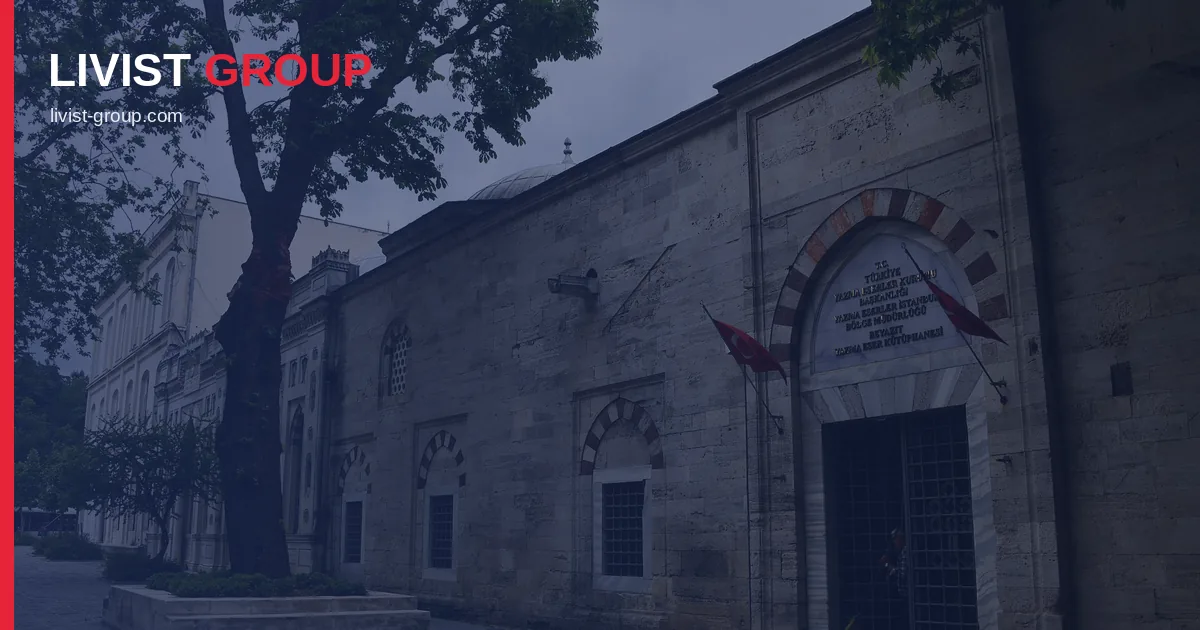
Study in Türkiye for International Students 2026: What "Free" Actually Covers
The six published benefits of Türkiye Scholarships, the costs it does not remove, why no honest article quotes the stipend, and where the real tuition figure lives among 45,000 programs.

Turkey Work Permit for Foreigners 2026: The State’s Own Procedure, in Order
The E-Permit system, the employer’s ten-working-day obligation, the 30-day clock and what restarts it, the eight-year route to a permanent permit, and the Turquoise Card deadline that voids the card if missed.